Anti-AANAT Polyclonal Antibody
Ordering
Available Variants| Availability & Stock | Pack | SKU | Price (EUR) |
|---|---|---|---|
|
Available – Dispatch in 14 days
Global Network - International delivery
|
20ul | CAB.31451-20ul | €100.00 |
|
Available – Dispatch in 14 days
Global Network - International delivery
|
50ul | CAB.31451-50ul | €500.00 |
|
Available – Dispatch in 14 days
Global Network - International delivery
|
100ul | CAB.31451-100ul | €500.00 |
|
Available – Dispatch in 14 days
Global Network - International delivery
|
100ul(PBS Only) | CAB.31451-100ul(PBS Only) | €500.00 |
| Catalog No | CAB.31451 |
|---|---|
| Product Name | Anti-AANAT Polyclonal Antibody |
| Isotype | IgG |
| Calculated MW | 23/28kDa |
| Immunogen | Recombinant protein of human AANAT |
| Public Immunogen Range | 35-194aa |
| Host | Rabbit |
| Clone Type | Polyclonal Antibody |
| Reactivity | Mouse;Rat;Human |
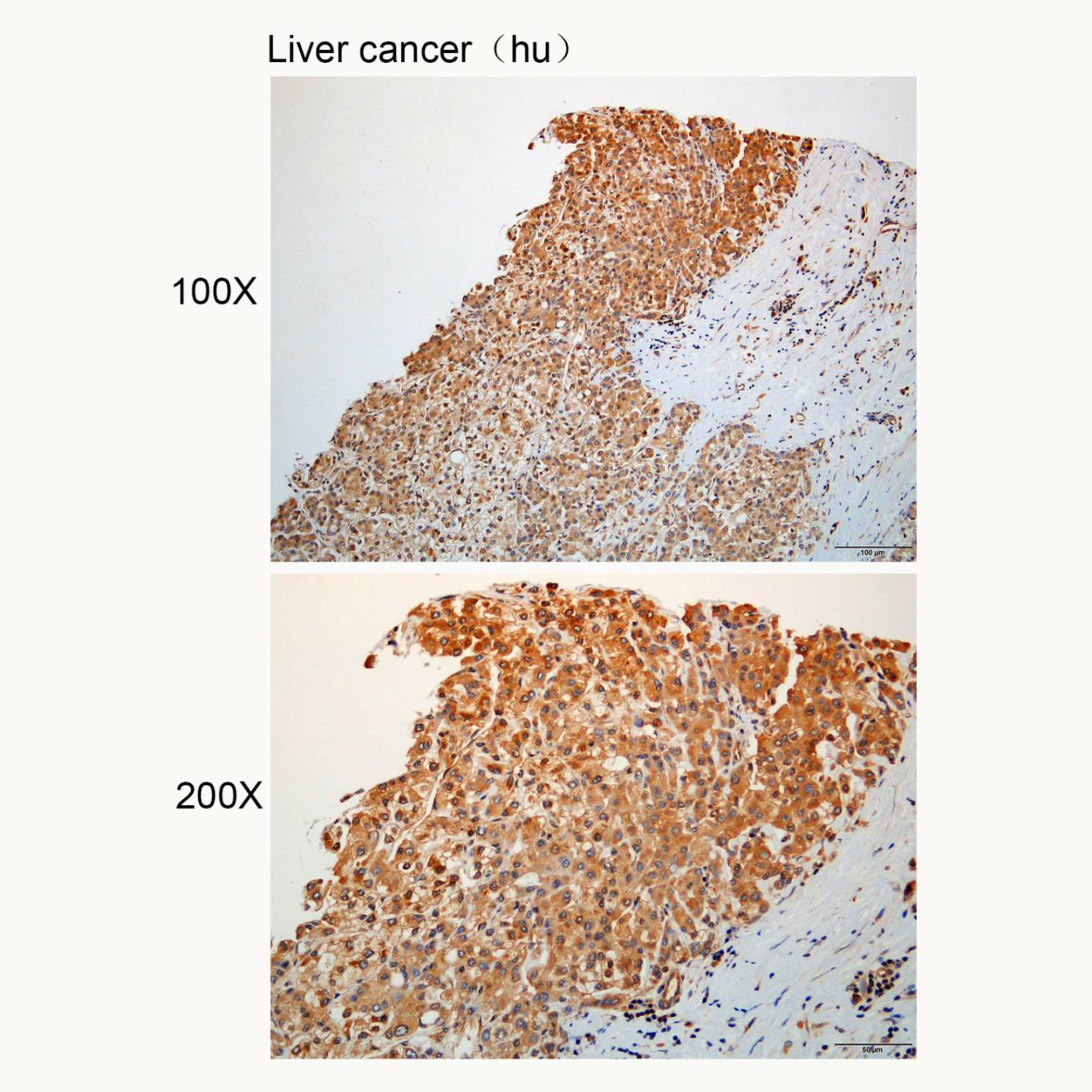
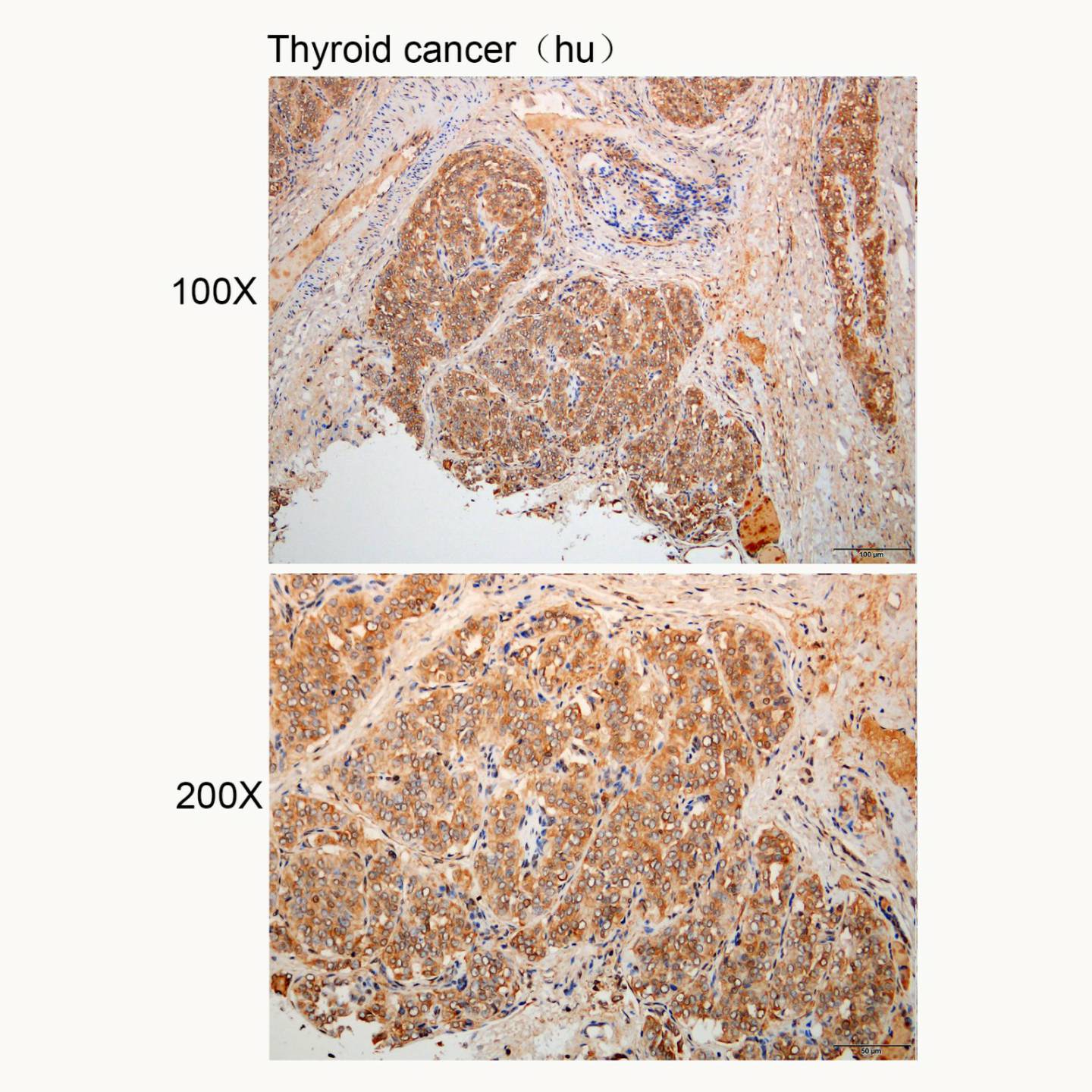
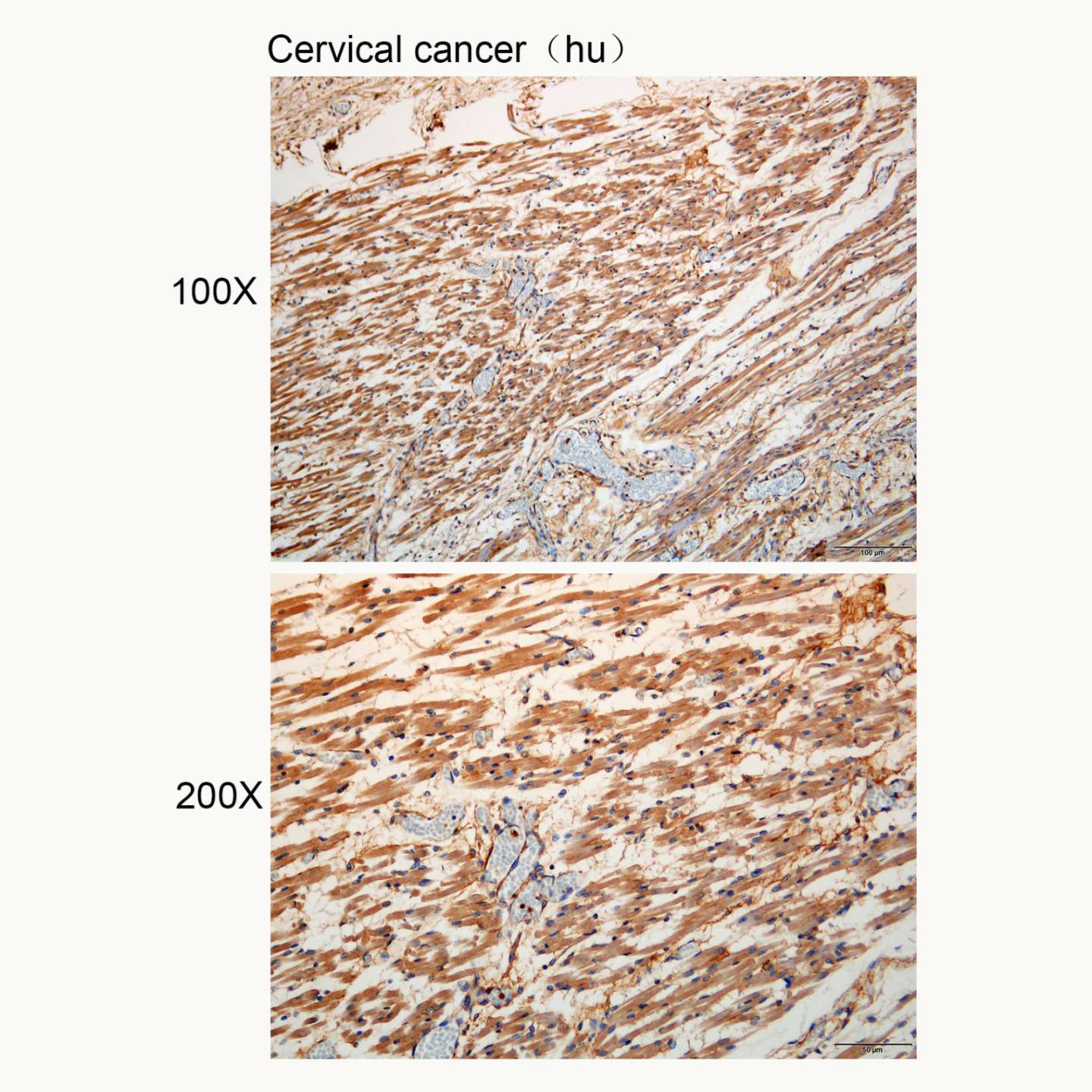
| Application | IHC-P |
| Subcellular Location | Cytoplasm |
| Purification Method | CABfinity purification |
| Storage Buffer | PBS with 50% Glycerol, 0.03% Proclin300, 0.5% BSA, pH 7.3. |
| Storage | Store at -20℃. Avoid freeze / thaw cycles. |
Background
The protein encoded by this gene belongs to the acetyltransferase superfamily. It is the penultimate enzyme in melatonin synthesis and controls the night/day rhythm in melatonin production in the vertebrate pineal gland. Melatonin is essential for the function of the circadian clock that influences activity and sleep. This enzyme is regulated by cAMP-dependent phosphorylation that promotes its interaction with 14-3-3 proteins and thus protects the enzyme against proteasomal degradation. This gene may contribute to numerous genetic diseases such as delayed sleep phase syndrome. Alternatively spliced transcript variants encoding different isoforms have been found for this gene.
Protocol / Instructions
The Anti-AANAT Polyclonal Antibody is a rabbit-derived antibody raised against recombinant protein of human AANAT. It has been validated for use in Immunohistochemistry-Paraffin sections (IHC-P) and is reactive with Mouse, Rat, and Human samples.
Reagents or buffers required include the Anti-AANAT Polyclonal Antibody, paraffin sections of tissue samples, antigen retrieval solution, blocking buffer, and a detection system.
Sample preparation involves deparaffinization and rehydration of tissue sections, followed by antigen retrieval using a suitable method such as heat-mediated antigen retrieval.
Antibody incubation is performed by applying the Anti-AANAT Polyclonal Antibody at a recommended dilution of 1:50-200, followed by incubation for a suitable duration, typically 1-2 hours at room temperature or overnight at 4°C.
Washing is done using a suitable buffer, such as PBS or TBS, to remove unbound antibody.
Detection is achieved using a compatible detection system, such as a peroxidase or alkaline phosphatase-based system.
Technical notes: Optimize the antibody dilution and incubation time as needed to achieve the best signal-to-noise ratio. It is also essential to include positive and negative controls to validate the specificity of the staining.
Precautions
Store at -20°C. Handle with care, and avoid repeated freeze-thaw cycles. Include proper controls and optimize antibody dilution for best results.
Validation Images